Restoring Battle Creek: Removing Legacy Infrastructure to Revitalize Salmon Habitat
In remote Northern California, Forgen is helping restore Battle Creek’s natural waterways by removing aging dams and canal infrastructure, supporting the recovery of critical salmon habitat.
October 29, 2026
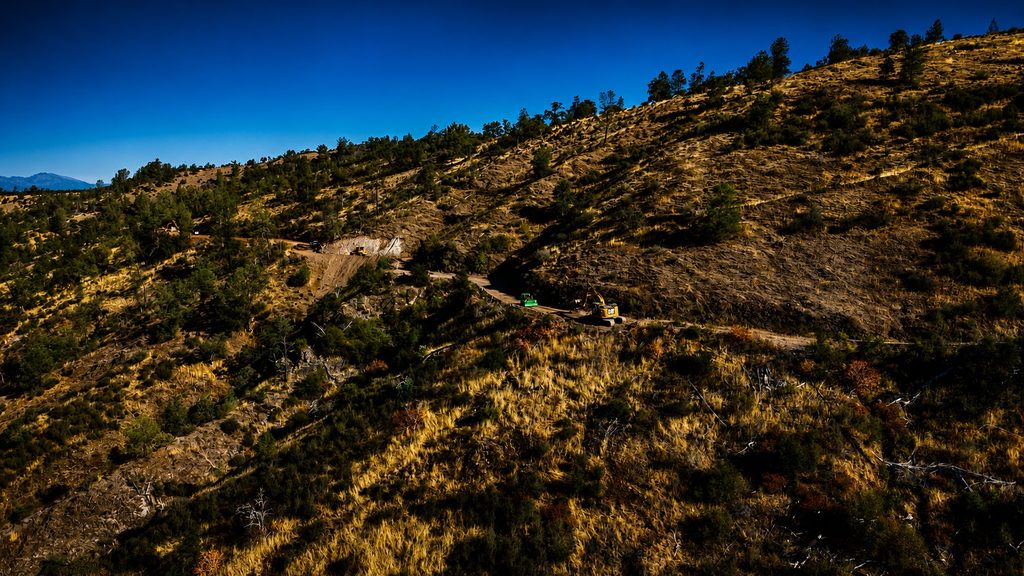
Deep in the rugged wilderness of Northern California, Forgen is undertaking a project that combines complex construction, careful environmental planning, and a long-term commitment to watershed restoration.
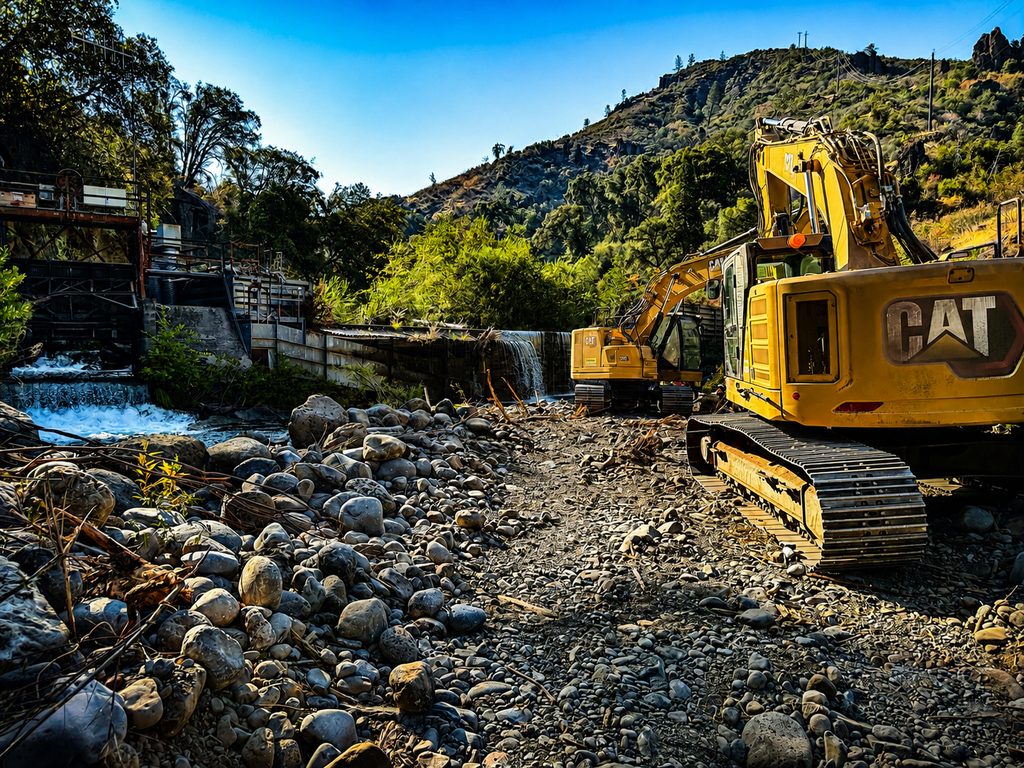
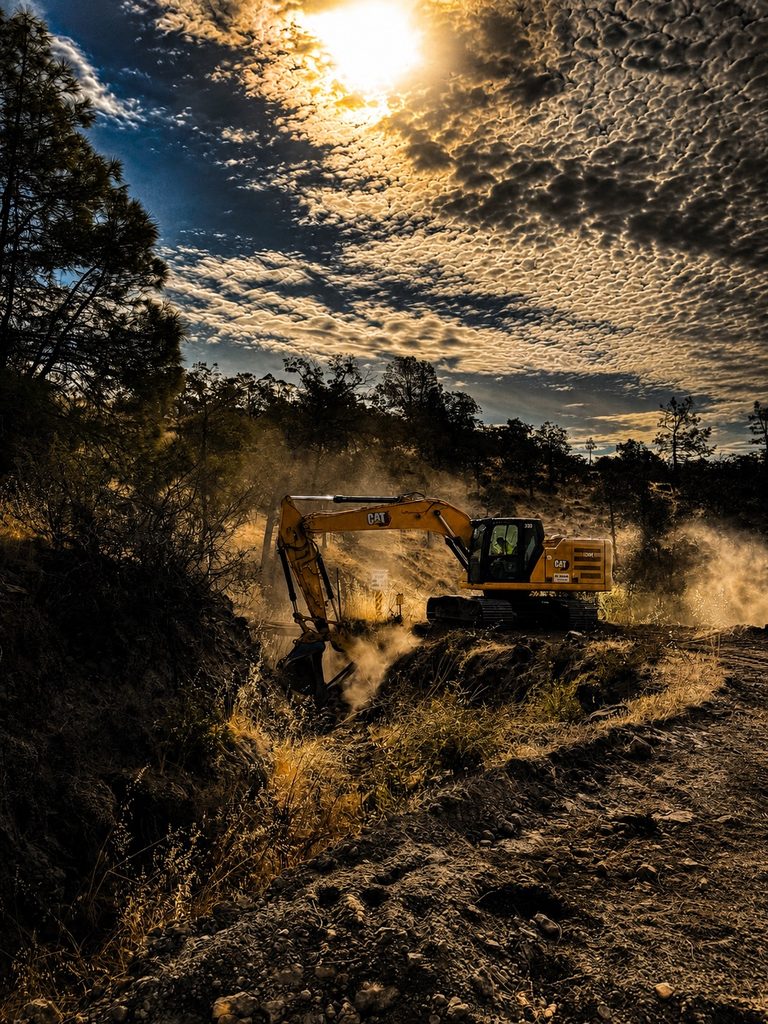
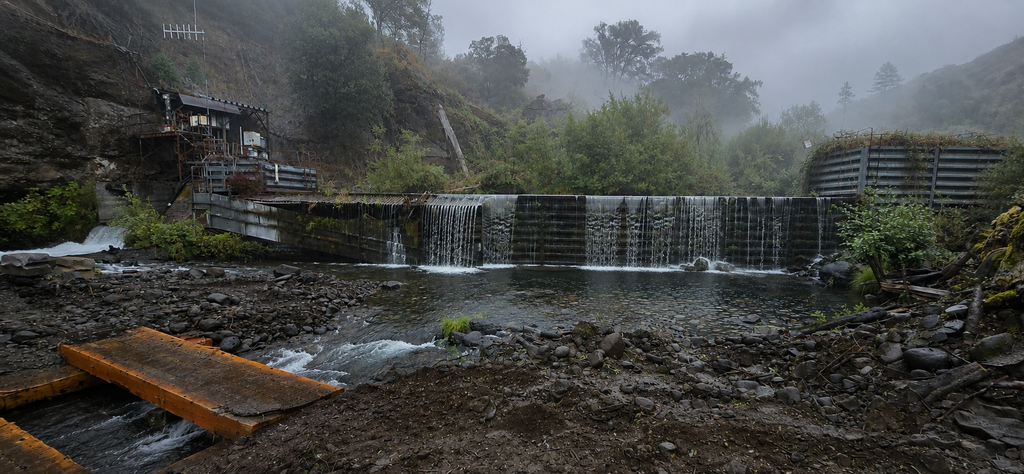
The Battle Creek South Diversion Dam and Canal Removal Project is part of a broader effort to restore natural water flow and improve habitat for salmon and steelhead. The work involves removing three small dams, approximately four miles of water conveyance channel, and roughly 2,300 linear feet of elevated metal flume.
While the project’s scope is significant, its purpose extends beyond removing aging infrastructure. The effort will help restore portions of Battle Creek that historically supported important fish spawning and rearing habitat.
Removing More Than a Century of Infrastructure
Beginning in the early 1900s, a network of hydroelectric infrastructure was constructed throughout Battle Creek to support power generation. Over time, portions of this system restricted fish passage and altered the waterways that salmon and steelhead depend on.
Today, the removal of this legacy infrastructure is an important step toward restoring the watershed and improving conditions for native fish populations.
Battle Creek is particularly important for federally endangered winter-run Chinook salmon. Fed by cold-water springs, the watershed maintains temperatures that support salmon and steelhead during Northern California’s hot, dry summers. Restoring access to these waters can help reconnect fish with critical habitat.
For Forgen, the project represents an opportunity to contribute to a decades-long restoration effort involving the Bureau of Reclamation, resource agencies, and other project stakeholders.
Overcoming the Challenges of Remote Construction
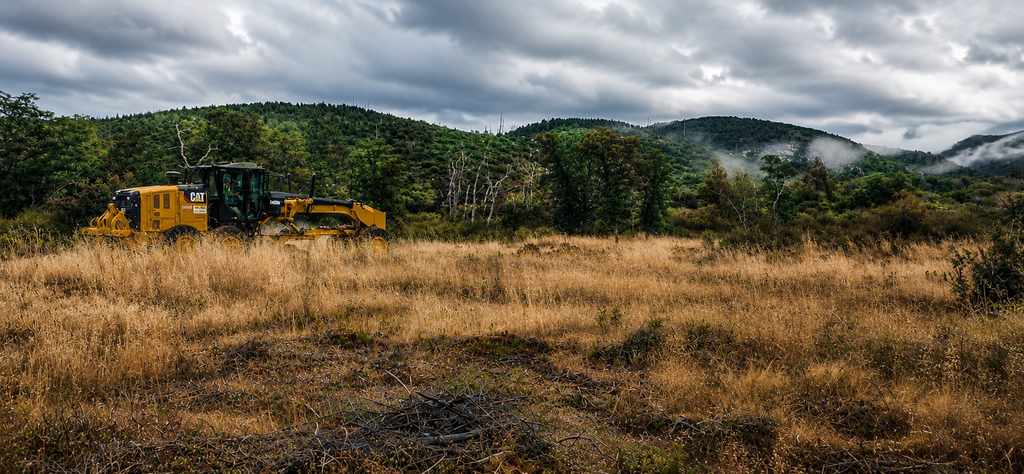
Working in remote Northern California presents a unique set of logistical and operational challenges. Limited site access restricts the size of equipment that can be transported to the work area, requiring the team to carefully evaluate available resources and develop creative solutions.
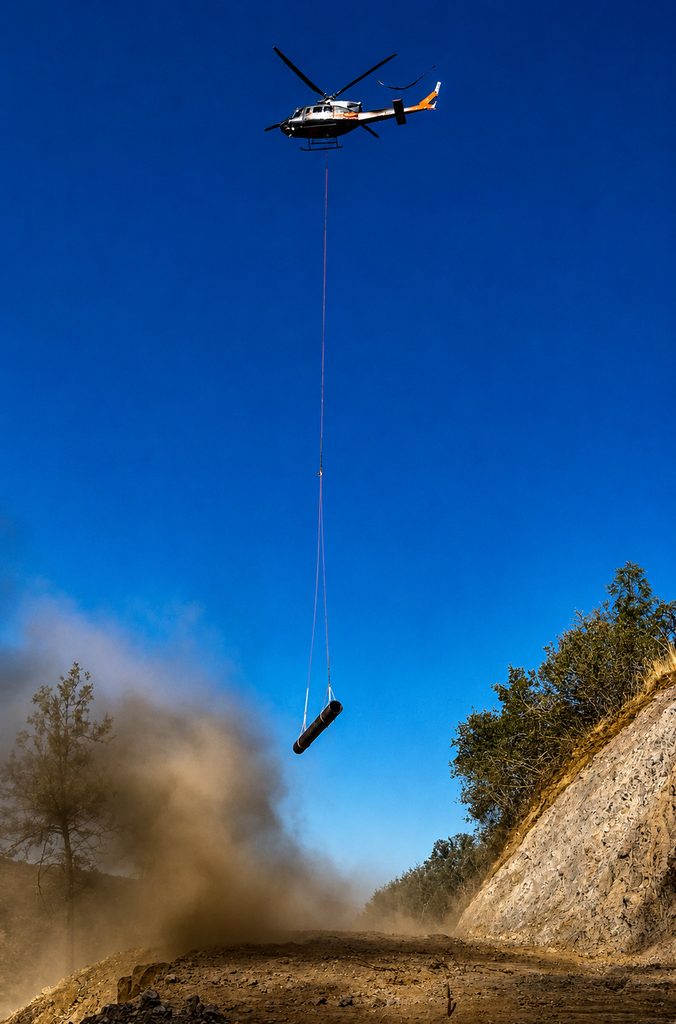
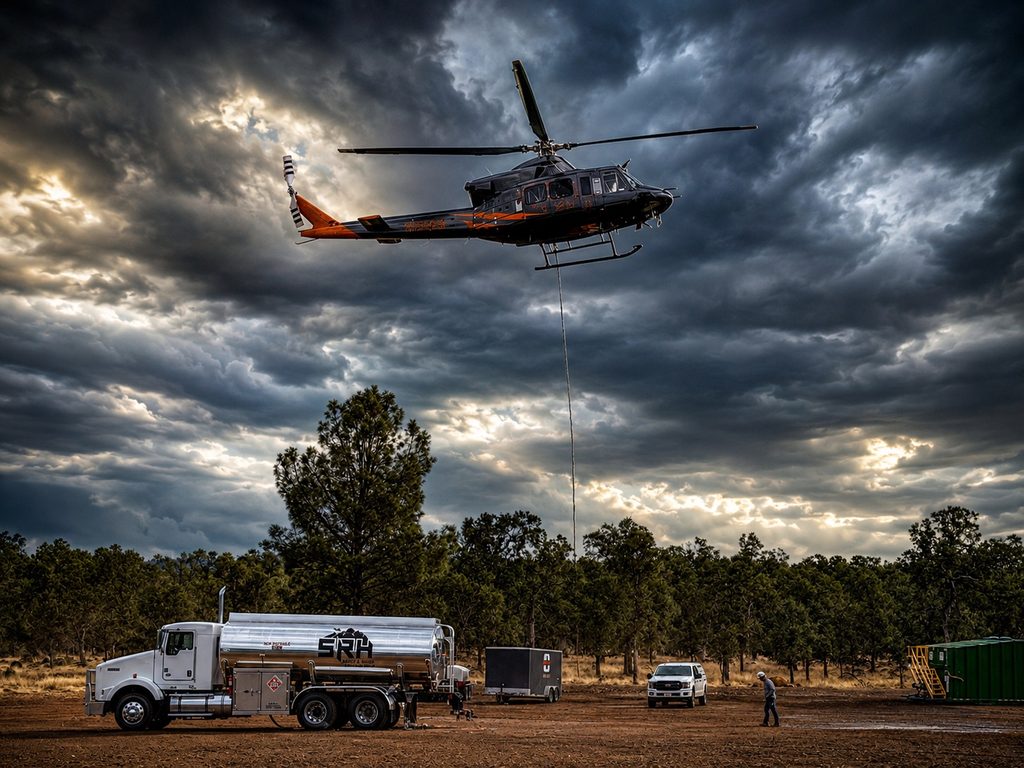
In some cases, conventional equipment and transportation methods are not practical. Helicopters have provided an alternative for moving materials and supporting work in areas that are difficult to reach by traditional means.
Ken Martinez, Project Manager for West Operations, explained the scale of the undertaking:
“At its core, we’re removing a lot of legacy infrastructure that PG&E had established for their hydroelectric facility—the dams, tunnels, channels and flumes.”
The infrastructure reflects the scale of the effort required to support hydroelectric operations more than a century ago. Its removal requires equally careful planning, particularly given the project’s remote setting and environmental considerations.
“What they built during that time period in this area was nothing short of incredible,” Martinez said. “When you get out there and see the intricate and complex nature of these systems, especially considering the time period they did this, it’s impressive.”
Ken Martinez, Project Manager
Planning Around Safety and Environmental Conditions
The project’s remote location adds another layer of complexity to daily operations. The team must account for changing weather conditions, wildfire risk, wildlife, and the limited availability of equipment and supplies.
Planning ahead is essential. Helicopter operations must be coordinated around weather conditions and wildfire risk, while equipment, materials, and personnel must be organized to keep work moving efficiently.
Safety measures are also tailored to the surrounding environment. Crews maintain firefighting equipment and supplies on site, while precautions help protect workers and the landscape. Wildlife awareness is equally important, with the team taking care to navigate the area responsibly and minimize its impact on the surrounding habitat.
These considerations require flexibility and preparation. With limited access to the site, unexpected needs cannot always be addressed immediately. Anticipating potential challenges and ensuring the right resources are available helps the team maintain safe, productive operations.
Combining Experience and Innovation
Alongside detailed field planning, the team has also incorporated new technology into its workflow.
As part of Forgen’s broader AI implementation initiative, the project team used AI-assisted tools to help review specifications and drawings, identify relevant information, and quickly respond to potential information gaps.
With 19 submittals required within 28 days of the notice to proceed, the team used these tools to support an intensive review process while maintaining the attention to detail required for project documentation.
The experience highlights how emerging technology can complement field expertise and established construction practices. By improving access to information and supporting more efficient workflows, the team can dedicate more attention to the planning and coordination that complex projects demand.
Restoring a Watershed for Future Generations
The Battle Creek project is part of a much larger effort to restore salmon and steelhead habitat after decades of infrastructure-related impacts. Its completion will help improve conditions throughout the watershed and contribute to the long-term recovery of important fish populations.
The work also carries significance for the surrounding community, which has waited years to see restoration efforts move forward.
For Forgen, success means more than completing a challenging construction scope. It means contributing to an effort that will have lasting environmental benefits.
Through thoughtful planning, collaboration, and innovative problem-solving, Forgen is helping remove barriers to natural water flow and support the future of Battle Creek’s aquatic habitat.
“You’re basically in nature’s backyard out here. We’re visitors, so we need to tread carefully and leave this place in better condition than when we arrived.”
Ken Martinez, Project Manager
By removing legacy infrastructure and helping restore critical waterways, Forgen is contributing to a healthier watershed and a lasting legacy of environmental restoration.
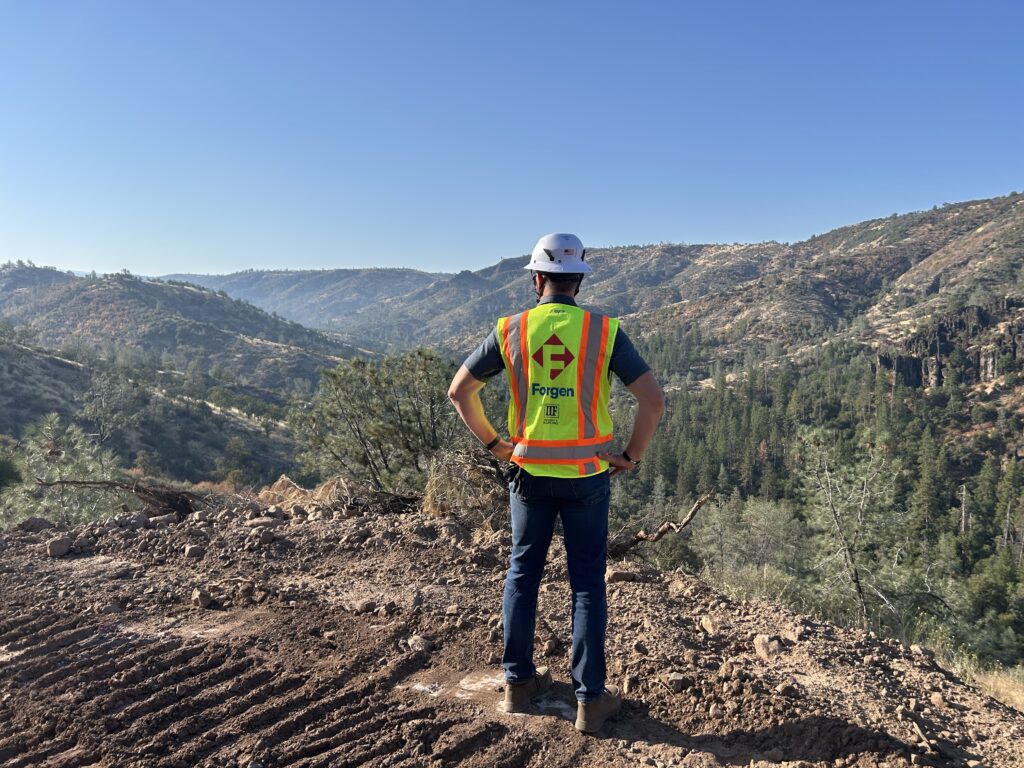
Forgen’s CEO, John Dudasch, at the site.
Building Solutions That Last
From complex infrastructure removal to environmental restoration, Forgen is committed to delivering solutions that make a lasting impact.
Learn more about Forgen’s projects: Forgen’s Portfolio